Creating the Perfect Bedtime Routine for Deep Sleep

A thoughtful bedtime routine helps your body and mind shift from daytime activity into rest. The most effective routine is rarely complicated: it combines a regular sleep schedule, lower stimulation, a comfortable bedroom environment, and calming cues you can repeat most nights.
Deep sleep cannot be forced, and no routine guarantees perfect rest. However, consistent habits can make it easier to fall asleep, reduce mental friction at bedtime, and create better conditions for restorative sleep. The guide below focuses on practical steps you can adapt to your lifestyle.
Why a Consistent Bedtime Routine Supports Deep Sleep
A consistent bedtime routine supports deep sleep by giving your brain predictable signals that the day is ending. Repeated cues such as dimming the lights, putting away screens, and listening to calming audio can make the transition into sleep smoother.
Your sleep and wake schedule influences when your body expects rest. When bedtime changes dramatically from one night to the next, your internal timing can become harder to manage. A familiar sequence creates structure, while relaxing activities help reduce physical and mental alertness.
Think of your routine as a landing sequence rather than a strict performance. The goal is to move gradually from work, conversation, entertainment, or household tasks toward quieter behavior. This might take 20 minutes for one person and 60 minutes for another.
Consistency matters more than perfection. Missing a step occasionally will not undo your progress. The useful question is whether your routine usually lowers stimulation and makes sleep feel easier to approach.
Start With a Consistent Sleep and Wake Schedule
To establish a consistent sleep and wake schedule, choose realistic times you can maintain most days, then anchor your morning wake time before adjusting bedtime. A stable wake time often gives the rest of your routine a dependable starting point.
Begin by selecting a wake time that fits work, school, family, and commuting demands. Keep it reasonably similar on weekends, while allowing room for normal variation. Then work backward to create enough time for your preferred sleep duration and a calm wind-down period.
Make the schedule practical
- Move bedtime earlier or later in small steps, such as 15 to 30 minutes every few nights.
- Use the same sequence before bed even when the exact clock time changes.
- Get natural light and gentle movement during the day when possible.
- Avoid judging the routine after one night; look for patterns across one to two weeks.
A schedule that looks ideal on paper but clashes with your life will be difficult to sustain. Choosing a flexible routine may mean progress is slower, but it is more likely to survive travel, social plans, and busy evenings.
For broader guidance on healthy sleep habits, review recommendations from the National Heart, Lung, and Blood Institute.
Build a Calming Wind-Down Routine
To build a calming wind-down routine, spend the final 20 to 60 minutes before bed on low-effort activities that reduce stimulation. Choose two or three actions you enjoy rather than filling the entire period with rules.
A useful wind-down routine might begin with basic preparation: wash up, change into sleepwear, and set out anything needed for the morning. Removing small decisions can prevent the mind from staying busy in bed.
Relaxing activities to try
- Gentle stretching: Use slow neck, shoulder, back, or leg movements without turning the session into a workout.
- Reading: Choose a quiet book or magazine and use a warm, low light. Avoid material that keeps you emotionally engaged.
- Breathing exercises: Try a slow exhale-focused pattern, such as inhaling gently and extending the exhale without forcing it.
- A warm bath or shower: This can become a clear transition between active evening tasks and sleep preparation.
- Journaling: Write down tomorrow’s priorities or lingering thoughts in a few lines, then close the notebook.
Do not turn relaxation into another task to complete perfectly. If breathing exercises make you more self-conscious, choose reading or ambient sounds instead. The best activity is the one that lowers your alertness without creating pressure.
Use Relaxation Audio to Quiet a Busy Mind
Relaxation audio can support bedtime by giving a busy mind a gentle focus, especially when you choose quiet, predictable content such as guided meditation, sleep stories, or soft ambient sounds.
Audio works best as one part of a broader bedtime routine. Select it before getting into bed, keep the volume comfortable, and use a sleep timer if the service or device offers one. The aim is to reduce mental effort, not to follow an intense lesson or stay awake to hear the ending.
Choose audio by the kind of distraction you need
- Guided meditation: Helpful when racing thoughts or body tension make it difficult to settle. Look for a slow voice, spacious pauses, and minimal instructions.
- Sleep stories: Useful when you prefer a gentle narrative to occupy your attention. Choose stories with calm pacing and low emotional intensity.
- Ambient sounds: Rain, ocean surf, steady airflow, and soft nighttime soundscapes can mask minor background noise and create a familiar cue.
- Nature sounds: Birdsong may suit daytime relaxation, while quieter rain, wind, or distant water may feel less stimulating at night.
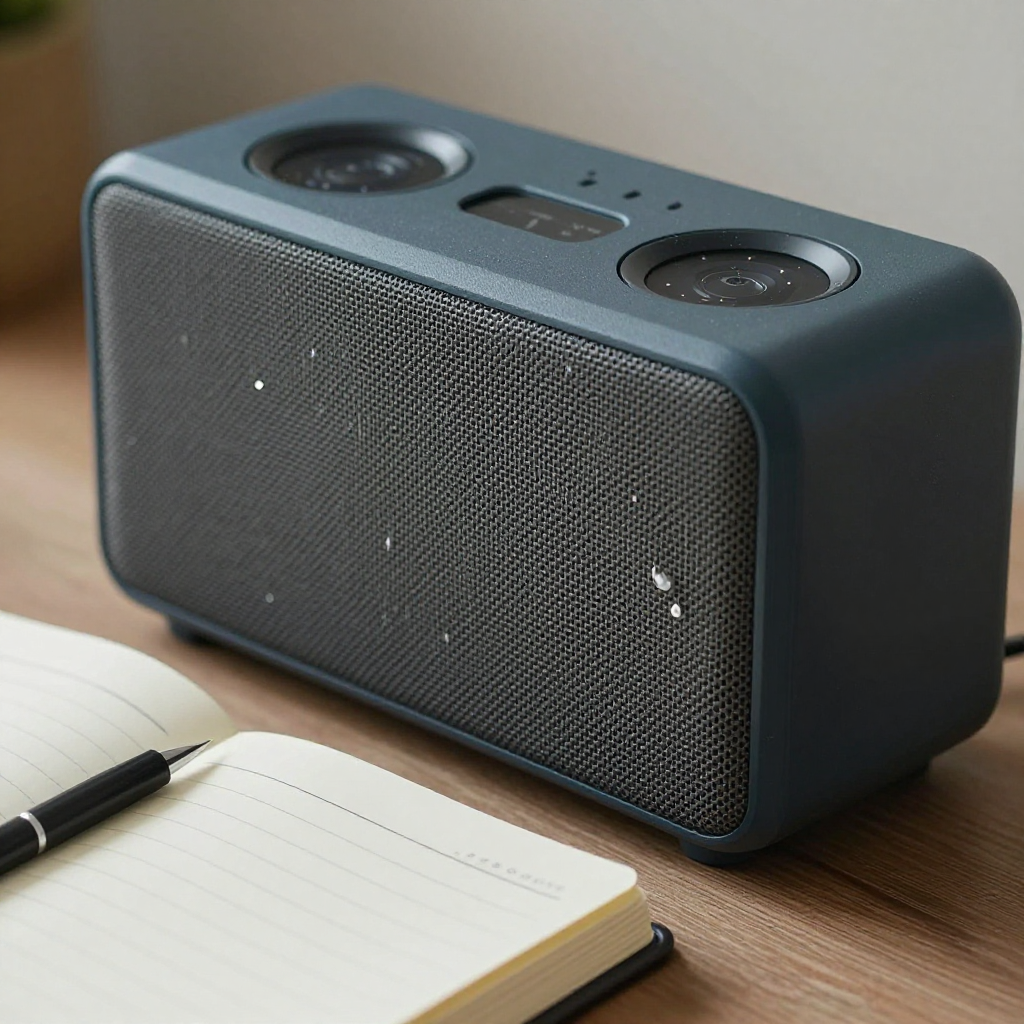
Keep the audio setup simple. A speaker may be more comfortable than earbuds, particularly if you change sleeping positions. If you use headphones, avoid excessive volume and choose equipment that does not create pressure or heat.
Audio preferences are personal. One listener may relax with a narrated sleep story, while another finds a human voice distracting. Test one format for several nights before deciding whether it belongs in your routine.
Create a Sleep-Friendly Bedroom Environment
A sleep-friendly bedroom environment should be dark, quiet, comfortably cool, and free from avoidable distractions. Small improvements to light, noise, temperature, and comfort can make the room more supportive of sleep.
Start with the strongest disturbance rather than changing everything at once. If streetlights enter the room, try blackout curtains or an eye mask. If noise wakes you, consider earplugs, steady ambient sounds, or moving the bed away from the source.
- Light: Dim lamps during the wind-down period and keep bright screens away from your face.
- Noise: Reduce sudden sounds, or use consistent background audio to soften unpredictable noise.
- Temperature: Adjust bedding, ventilation, and sleepwear so you do not become overheated or chilled.
- Comfort: Check whether your pillow, mattress, and bedding support your usual sleeping position.
- Distractions: Charge phones away from the bed when possible and keep work materials out of sight.
Choosing a quieter room for better sleep may mean accepting less convenience, such as placing your phone across the room. That small inconvenience can be worthwhile if it reduces notifications, checking, and late-night scrolling.
Evening Habits That Can Disrupt Sleep
Evening habits can disrupt sleep when they increase alertness, delay your schedule, or create physical discomfort close to bedtime. The effect varies by person, so focus on patterns you can observe rather than assuming every habit affects everyone equally.
Common sources of bedtime interference
- Late-night screen time: Bright light, notifications, and emotionally engaging content can keep the brain active. Try a screen curfew 30 to 60 minutes before bed, or switch to a dimmer, less interactive activity.
- Stimulating activities: Intense exercise, heated discussions, competitive games, and demanding work may leave you alert. Move them earlier when possible.
- Heavy meals: Large or spicy meals shortly before bed can cause discomfort for some people. Leave enough time to digest, while avoiding going to bed uncomfortably hungry.
- Caffeine: Coffee, energy drinks, tea, chocolate, and some supplements can affect sleep differently depending on timing and sensitivity. Experiment with an earlier cutoff.
- Inconsistent timing: A very late weekend schedule can make Sunday night more difficult, even when weekday habits are steady.
Do not remove every enjoyable evening activity at once. That approach often makes a routine feel restrictive. Change one variable, such as late caffeine or phone use in bed, and observe whether falling asleep or waking during the night improves.
How to Make Your Routine Sustainable
To make a bedtime routine sustainable, start with a short version, repeat it consistently, and adjust it using your own sleep response. A routine that takes 15 minutes and happens most nights is usually more useful than an elaborate plan you abandon after a week.
Use the SLEEP test
A simple way to refine your routine is the SLEEP test: Simple, Low-stimulation, Enjoyable, Environment-focused, and Personal. Each week, ask whether your routine meets these five criteria.
- Simple: Can you complete it on a busy evening?
- Low-stimulation: Does it reduce light, noise, mental effort, and emotional intensity?
- Enjoyable: Is there at least one step you genuinely like?
- Environment-focused: Does it prepare your bedroom for comfortable sleep?
- Personal: Does it fit your schedule, preferences, and household?
Track only a few details: approximate bedtime, wake time, audio used, and how rested you felt the next morning. This lightweight record can reveal whether a guided meditation helps more than a sleep story, or whether a later meal consistently causes discomfort.
If you cannot fall asleep, avoid turning the bed into a place for prolonged frustration. After a while, get up and do something quiet in dim light, then return when you feel sleepier. Persistent sleep problems, loud snoring, breathing pauses, or significant daytime sleepiness deserve discussion with a qualified healthcare professional; relaxation audio should complement appropriate care, not replace it.
Frequently Asked Questions
How long should a bedtime routine be?
A bedtime routine can last 20 to 60 minutes, but there is no universally perfect length. Choose enough time to finish essential tasks and lower stimulation without making the routine feel like a burden.
What is the best audio to listen to before sleep?
The best audio is quiet, predictable, and emotionally calming for you. Try guided meditation, sleep stories, rain, ocean sounds, or other ambient sounds, then keep the format that helps you disengage from active thinking.
Can a bedtime routine help quiet racing thoughts?
Yes, a routine may help by creating a predictable transition and giving thoughts less fuel. Journaling, slow breathing, guided meditation, and a calm sleep story can provide gentle focus without demanding intense concentration.
Should I use relaxation audio every night?
You can use relaxation audio every night if it remains comfortable and does not disturb your sleep. It is also useful to have quiet alternatives so you do not feel dependent on one device, track, or listening method.
What should I do if I cannot fall asleep?
If you remain awake and frustrated, leave the bed briefly for a quiet activity in dim light, then return when sleepy. If difficulty falling asleep happens often or affects daytime functioning, seek professional evaluation.
A successful bedtime routine is a repeatable path toward rest, not a test you pass or fail. Start with a consistent wake time, add one calming activity, improve the most distracting part of your bedroom environment, and use relaxation audio when it genuinely helps. Give the routine time to become familiar, then refine it around what your body and mind actually respond to.