How Binaural Beats Influence Brainwaves for Relaxation: A Clear Guide
What Are Binaural Beats?
Binaural beats are an auditory phenomenon where two slightly different tones — one delivered to each ear — cause the brain to perceive a third, phantom "beat" at the difference between the two frequencies. For example, if your left ear hears a tone at 200 Hz and your right ear hears one at 210 Hz, your brain registers a pulsing beat at 10 Hz, even though no 10 Hz sound actually exists in the audio.
This perceptual effect happens entirely inside the auditory cortex, the brain region responsible for processing sound. Because the two carrier tones must be kept separate — one per ear — they only work correctly through stereo headphones. Speakers or earbuds that mix audio channels won't produce the effect.
The concept has been around since 1839, when Prussian physicist Heinrich Wilhelm Dove first described it. Today, binaural beat audio is widely used in sleep and relaxation contexts, often layered beneath nature soundscapes or ambient music to make the listening experience more pleasant.
The Science of Brainwave Entrainment
Brainwave entrainment is the process by which the brain's electrical activity gradually synchronizes with a rhythmic external stimulus — in this case, the perceived binaural beat frequency. The underlying mechanism is called the frequency-following response.
Your brain generates electrical oscillations constantly, measurable by electroencephalography (EEG). When you're alert, those oscillations tend to run fast. When you're drowsy or deeply relaxed, they slow down. The frequency-following response suggests that when the brain detects a consistent rhythmic signal — like a 6 Hz binaural beat — it begins to shift its own dominant oscillation toward that frequency over several minutes of listening.
This isn't instantaneous, and it isn't guaranteed for everyone. The shift is gradual, typically taking 10 to 20 minutes of sustained listening before measurable changes in brainwave activity appear. Think of it like tuning a guitar string to match a reference pitch: the process requires consistent exposure, not a single note.
The auditory cortex plays the central role here. It detects the frequency difference between the two carrier tones and generates a neural response at that difference frequency. That response then propagates more broadly through the brain's electrical network, nudging other regions toward the same rhythm.
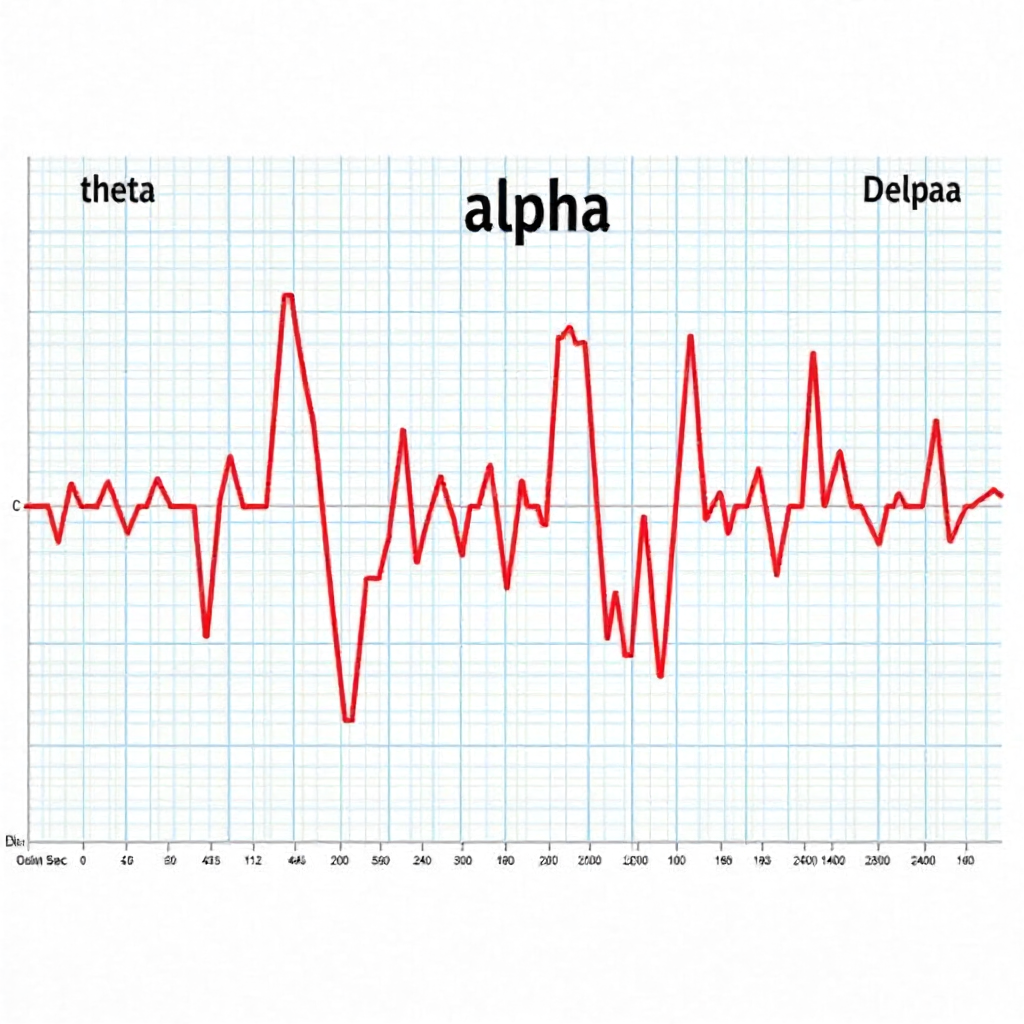
Brainwave Frequencies and Their Relaxation Roles
Different frequency bands correspond to distinct mental and physical states. For relaxation and sleep, three bands matter most.
Alpha Waves (8–13 Hz): Calm Wakefulness
Alpha waves are the brain's "idle" rhythm — present when you're awake but not actively thinking hard. Eyes closed, body relaxed, mind quiet. Alpha-range binaural beats are well-suited to stress reduction, light meditation, and winding down after a busy day. If you want to feel calmer without falling asleep, an alpha-frequency track is usually the right starting point.
Theta Waves (4–8 Hz): Drowsiness and Deep Meditation
Theta activity dominates the transition between wakefulness and sleep — that hypnagogic state where thoughts become dreamlike and the body feels heavy. Theta-range binaural beats are particularly useful for deep meditation, creative visualization, or easing into sleep. Many people report vivid mental imagery during theta-frequency sessions.
Delta Waves (0.5–4 Hz): Deep Sleep
Delta is the slowest frequency band, associated with the deepest stages of non-REM sleep — the restorative sleep stages where the body repairs tissue and consolidates memory. Delta-frequency binaural beats are designed to support deep sleep rather than conscious relaxation. They're best used once you're already in bed and intending to fall asleep, not during a daytime wind-down session.
Choosing the wrong frequency for your goal is one of the most common mistakes new listeners make. Using a delta track during a midday meditation session, for instance, may leave you groggy rather than refreshed.
How to Use Binaural Beats Effectively
To get real benefit from binaural beat audio, a few practical conditions need to be met. The most important: always use stereo headphones. This is non-negotiable. Without channel separation, the brain never receives the two distinct carrier tones, and no entrainment effect occurs.
Beyond equipment, here's what actually matters:
- Session length: Allow at least 20–30 minutes per session. The frequency-following response takes time to develop, and shorter sessions may not produce noticeable effects.
- Volume: Keep it low to moderate — the carrier tones should be audible but not intrusive. Loud binaural audio can cause discomfort and defeats the relaxation purpose entirely.
- Timing: For sleep support, listen in the 30–60 minutes before bed. For stress reduction or meditation, any quiet period works, though late afternoon tends to be effective for cortisol management.
- Environment: Dim the lights, minimize interruptions, and pair the audio with slow, deliberate breathing if you're using it for mindfulness or meditation purposes.
Consistency also matters. Occasional listening produces occasional results. People who build binaural audio into a regular evening routine — similar to how they might approach mindfulness practice — tend to report more reliable effects over time.
Who Can Benefit Most from Binaural Beat Audio
Binaural beats are most useful for people who struggle to shift mental gears — those who lie awake with racing thoughts, feel chronically overstimulated, or find traditional meditation difficult to sustain without an auditory anchor.
Three groups tend to see the most practical value:
- People with sleep onset difficulty: Theta and delta tracks can help bridge the gap between a wired evening mind and genuine drowsiness, making the transition to sleep feel less effortful.
- Stress-prone individuals: Regular alpha-frequency listening may support lower perceived stress and help regulate the kind of mental chatter that elevates cortisol in the evening hours.
- Meditation beginners: Binaural audio gives the mind something concrete to follow, reducing the frustration that often accompanies early mindfulness practice. It acts as a gentle scaffold rather than a replacement for the practice itself.
Binaural beats pair naturally with adjacent practices like breathwork, progressive muscle relaxation, or guided body scans. They're a tool, not a solution on their own — but as part of a broader wind-down routine, they can meaningfully lower the activation threshold for sleep and calm.
Limitations and Considerations to Keep in Mind
Binaural beats are safe for most people, but they're not appropriate for everyone, and honest expectations matter.
People with epilepsy or a history of seizures should avoid binaural beats without consulting a physician first. The rhythmic auditory stimulation can, in rare cases, trigger photosensitive-style responses in susceptible individuals. Similarly, anyone with a pacemaker or other auditory sensitivity conditions should check with a healthcare provider before starting regular sessions.
Binaural beats are not a medical treatment. They won't cure insomnia, resolve clinical anxiety, or replace professional care for sleep disorders. What they can do is provide a low-effort, non-pharmacological way to create a more favorable mental environment for relaxation and sleep onset.
The research base, while growing, is still mixed. Some studies show measurable effects on mood, anxiety, and sleep quality; others show minimal differences from control conditions. The honest position is that binaural beats work meaningfully for some people and less so for others — individual response varies considerably, and placebo effects likely contribute to reported benefits in some cases.
Choosing the Right Binaural Beat Track for Relaxation
The right track depends on your goal, your schedule, and your personal listening preferences. Start with the frequency that matches your intended state, then layer in the other elements.
For general evening relaxation and stress reduction, an alpha-frequency track (8–13 Hz) layered beneath a gentle nature soundscape — rain, forest, or ocean — tends to be the most accessible starting point. The familiar ambient sound reduces any initial resistance to the unfamiliar pulsing sensation.
For sleep onset support, transition to a theta-frequency track (4–8 Hz) as you get into bed, then let it shift into delta territory if the track is designed to do so progressively. Some sleep audio tracks are engineered to sweep through theta and into delta over 45–60 minutes, mirroring the brain's natural descent into deep sleep stages.
Session duration matters as much as frequency. A 10-minute track is unlikely to produce meaningful entrainment. Look for tracks of at least 30 minutes for relaxation and 45–60 minutes for sleep support.
Background soundscapes are worth paying attention to. Tracks with harsh or overly synthetic sounds can undercut the relaxation effect regardless of the underlying binaural frequency. The best sleep audio blends the binaural carrier tones seamlessly into the ambient layer so the listening experience feels natural rather than clinical.
Frequently Asked Questions
Do binaural beats actually work, or is it placebo?
The evidence is mixed. Some research shows measurable changes in brainwave activity and self-reported relaxation; other studies find effects comparable to placebo. For many people, the answer is somewhere in between — the relaxation benefit is real, but how much comes from entrainment versus a calm listening ritual is hard to separate. Either way, if it helps you sleep, the mechanism matters less than the outcome.
How long should I listen to binaural beats before bed?
A 30–60 minute session starting about an hour before you intend to sleep is a reasonable starting point. This gives the frequency-following response time to develop and helps signal to your nervous system that the day is winding down.
Can I use binaural beats without headphones?
No — not effectively. Binaural beats require each ear to receive a separate, distinct tone. Speakers mix the audio before it reaches your ears, eliminating the frequency difference the brain needs to detect. Stereo headphones are essential.
Are binaural beats safe to use every night?
For most healthy adults, yes. There's no evidence that nightly use causes harm. If you notice headaches, irritability, or increased anxiety after sessions, reduce frequency or session length and see if symptoms resolve.
What frequency is best for deep sleep vs. general relaxation?
Delta frequencies (0.5–4 Hz) target deep sleep stages and work best when you're already in bed ready to sleep. For general relaxation or stress reduction while still awake, alpha frequencies (8–13 Hz) are more appropriate. Theta (4–8 Hz) sits in between — useful for meditation and the pre-sleep transition period.