Overcoming Anxiety with Sleep Meditation Techniques
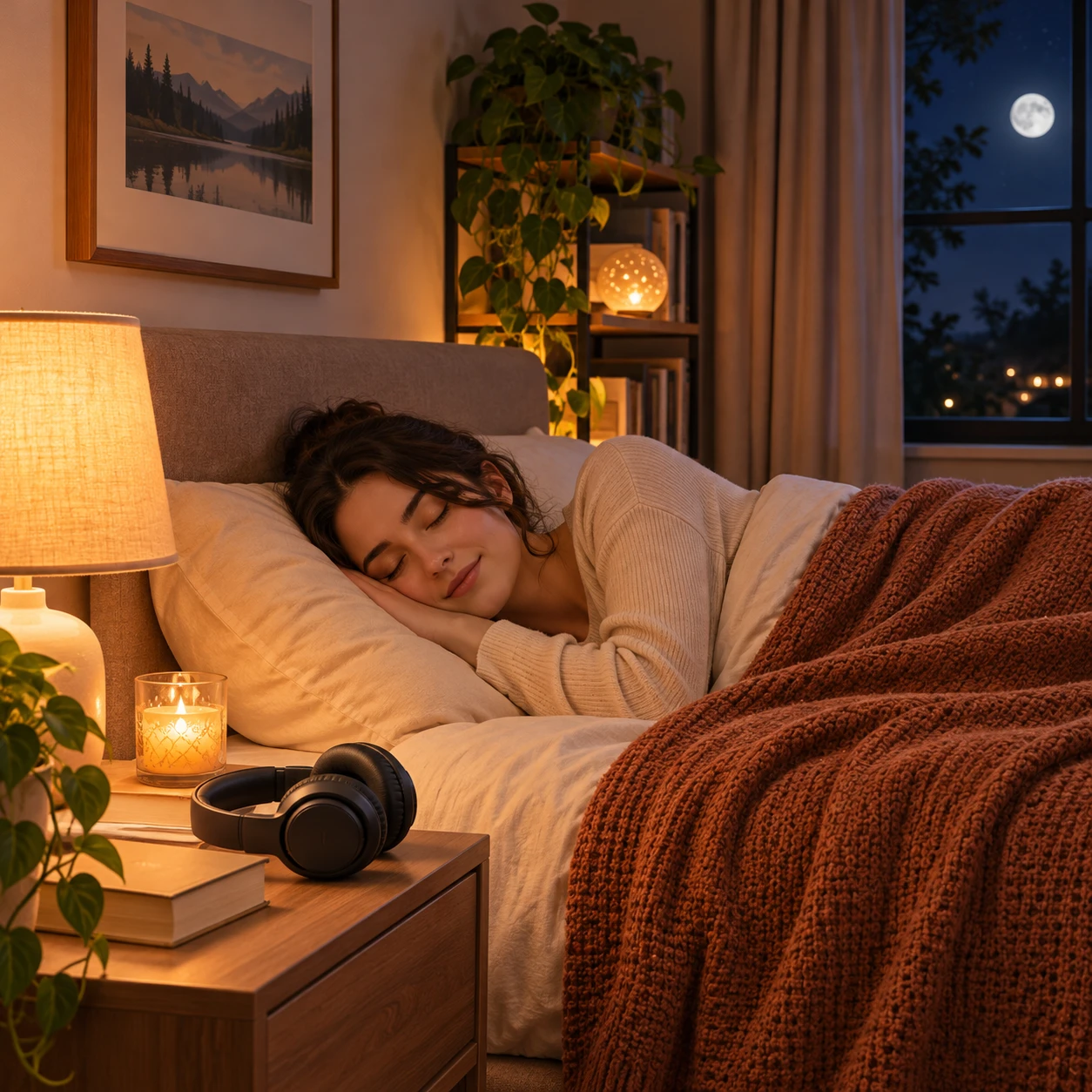
When anxious thoughts follow you into bed, trying harder to sleep can make the night feel even longer. Sleep meditation offers a gentle way to pause, notice what is happening, and give your attention something calmer to rest on. It cannot guarantee sleep or cure anxiety, but a simple practice or a soothing piece of relaxation audio may help you approach bedtime with less pressure.
How anxiety can interfere with sleep
Anxiety can make it harder to fall asleep by keeping the mind alert and the body tense. Worries about tomorrow, replayed conversations, or concerns about not sleeping can hold your attention when you want to wind down.
The body may respond with a tight jaw, tense shoulders, a restless feeling, or a heartbeat that seems more noticeable in a quiet room. These sensations can make bedtime feel like a time to monitor whether sleep is coming. That monitoring can turn into a loop: you notice you are awake, worry about the consequences, then feel more alert.
Nighttime waking can bring a similar challenge. In the dark, a small concern may feel more prominent, and checking the time can add another reason to calculate how much sleep remains. A meditation practice does not need to remove every thought. Its aim is to help you relate to thoughts and physical sensations with a little more space, rather than treating each one as a problem that must be solved immediately.
How sleep meditation may support relaxation
Sleep meditation may support relaxation by guiding your attention toward the present moment. Through mindfulness, breathing, or gentle imagery, it gives the mind a steady focus while the body begins to settle.
Guided meditation can be especially helpful if you are new to the practice. A calm voice may offer simple instructions, such as noticing the breath or relaxing one area of the body at a time. Other people prefer quiet, music, or natural sounds. There is no single format that works for everyone, and the same person may prefer different audio on different nights.
Think of meditation as an invitation to rest, not a test you have to pass. If sleep comes, you can let the audio fade into the background. If it does not, the practice can still offer a calmer way to spend a few minutes. Keep expectations modest: relaxation audio may help you settle, but it is not a guaranteed treatment for anxiety or insomnia.
Sleep meditation techniques to try
Try a guided meditation, slow breathing, a body scan, or mindful listening to sound. Choose one practice, keep it comfortable, and return to it gently whenever your attention wanders.
Guided meditation
Choose a short recording with simple, unhurried instructions. Follow the speaker's cues without worrying about doing them perfectly. If imagery feels distracting, switch to a more practical guide focused on breath or body sensations.
Slow breathing
Let your breathing stay easy and natural. Notice the inhale, then the exhale; you might allow the exhale to feel slightly longer if that is comfortable. There is no need to take deep breaths or hold your breath. If focusing on breathing makes you uneasy, stop and shift attention to sounds or the feeling of the mattress beneath you.
Body scan
Move your attention gradually from your feet toward your head, noticing sensations without trying to force them to change. You might soften your toes, calves, hands, and jaw as you go. A body scan is not a checklist; it is fine to skip areas or simply notice tension without releasing it.
Mindful attention to sound
Listen to a steady sound, such as soft rain, a fan, or a quiet audio track. Notice its texture and rhythm, then return to it when thoughts pull you away. This can be a useful alternative when internal focus feels uncomfortable.
Choosing relaxation audio for bedtime
The best relaxation audio for bedtime is the one that feels comfortable rather than demanding. Consider the voice, pace, length, music, and whether silence works better for you.
- Voice: Pick a speaker whose tone feels reassuring. A voice that sounds overly dramatic or energetic may keep you engaged when you want to unwind.
- Pacing: Look for pauses and clear, gentle instructions. If you find yourself waiting for the next cue, try a slower recording or ambient sound.
- Length: A short track can feel manageable when you are tired. Longer audio may suit you if you like a gradual wind-down, but it is not necessary to finish it.
- Music and sound: Some listeners prefer a low, even background; others find melodies or changing sound distracting. Test the audio at a quiet volume.
- Silence: You do not have to use headphones or a recording. A few minutes of quiet mindfulness can be enough to begin.
Set a comfortable volume before settling in, and choose a device setting that will not surprise you with bright light or sudden notifications. If a track irritates you, change it. Relaxation audio should support your practice, not become another bedtime rule.
Build a routine that feels manageable
A manageable bedtime routine pairs one small meditation practice with a sleep environment that feels calm and comfortable. Repeating a simple sequence can make it easier to shift from daytime activity toward rest.
Start with a few minutes rather than aiming for a perfect routine. For example, lower the lights, put your phone on a quiet setting, get comfortable, and play one short guided meditation. You can use the same sequence most nights, then adjust it when your schedule or needs change.
- Make the bedroom as dark, quiet, and comfortable as practical.
- Keep your chosen audio ready so you are not searching through apps in bed.
- Pick one technique for the night instead of switching repeatedly to find a perfect one.
- If you wake, return to a simple anchor such as the exhale, a body sensation, or steady background sound.
Try to avoid turning meditation into a measure of success. If your mind wanders, notice that and gently return. If you miss a night, resume when it suits you. A routine should reduce friction, not add another task to worry about.
What to do if anxiety continues
If anxiety or sleep difficulties persist, worsen, or interfere with daily life, consider speaking with a qualified health professional. Meditation can be one supportive tool, but it may not address every cause of ongoing distress or disrupted sleep.
A clinician can help you discuss what you are experiencing and consider appropriate support. You might also keep brief notes on when sleep feels difficult, what you tried, and whether anything seemed to help; this can make a conversation more concrete. Seek help sooner if symptoms feel overwhelming or you are concerned about your safety.
For a gentle practice tonight, choose one anchor: a calm voice, an easy breath, a slow body scan, or a steady sound. Let the goal be a little more ease, not a guaranteed result.
Frequently asked questions
Can sleep meditation help with anxiety at bedtime?
It may help some people feel calmer by offering a steady focus and encouraging present-moment awareness. Results vary, and meditation does not cure anxiety or guarantee sleep.
How long should I meditate before sleep?
Start with a few minutes, or choose a short guided meditation that feels comfortable. There is no required duration; stop or change approaches if the practice becomes frustrating.
Is guided meditation or silent meditation better for beginners?
Guided meditation provides prompts, which can make it easier to begin. Silent meditation offers fewer distractions and may suit people who prefer quiet. Try both and notice which feels less demanding.
What should I do if I stay awake during meditation?
Let go of the expectation that meditation must make you fall asleep. Continue with a comfortable focus, switch to quieter audio, or stop the recording if it is keeping you alert. If sleep problems continue to affect your days, seek professional guidance.