Sleep Hygiene Tips for Better Rest Every Night

Better rest often starts with small choices repeated over time. Sleep hygiene means the everyday habits and bedroom conditions that can support healthy sleep, from keeping a steady schedule to making evenings less stimulating. There is no single routine that works for everyone, but a few practical adjustments can make winding down easier.
What Sleep Hygiene Means
Sleep hygiene is the collection of daily habits and surroundings that support regular, restful sleep. It includes your sleep schedule, bedtime routine, light exposure, evening choices, and the comfort of your bedroom.
Think of sleep hygiene as a set of conditions, not a guarantee. A consistent routine may help your body recognize when it is time to wind down, while a dark, quiet, comfortable room can reduce distractions. These habits may support sleep, but they cannot resolve every cause of persistent sleep difficulty.
A useful way to assess your routine is to look at three areas:
- Timing: When you go to bed, wake up, and get daylight.
- Environment: Light, sound, temperature, and comfort in your bedroom.
- Wind-down: What you do in the hour or so before bed, including screen use, drinks, and relaxation techniques.
Start with the area that feels easiest to change. A small adjustment you can maintain is usually more useful than an elaborate plan that lasts only a few nights.
Keep a Consistent Sleep Schedule
A consistent sleep schedule means keeping your bedtime and wake time fairly steady from day to day. Regular timing can make a bedtime routine easier to maintain and help your body anticipate sleep.
Choose a wake-up time that fits your responsibilities, then work backward to allow enough time for sleep. Most adults need at least seven hours, though individual needs vary. If your current schedule is very different, shift it gradually, such as by 15 to 30 minutes every few days, rather than trying to reset it in one night.
Weekends can be the tricky part. Sleeping much later may feel restorative after a short night, but a large change can make it harder to fall asleep at your usual time. When possible, keep weekend wake times close to your weekday schedule. If you need to catch up, a brief early-afternoon nap may be less disruptive than sleeping late, though naps do not replace adequate nighttime sleep.
Morning light can help anchor your day. Spend some time outside soon after waking, or sit near a bright window. The right amount of light and timing can vary, especially for shift workers or people with unusual schedules, so focus on a pattern that is realistic for your life.
Create a Sleep-Friendly Bedroom
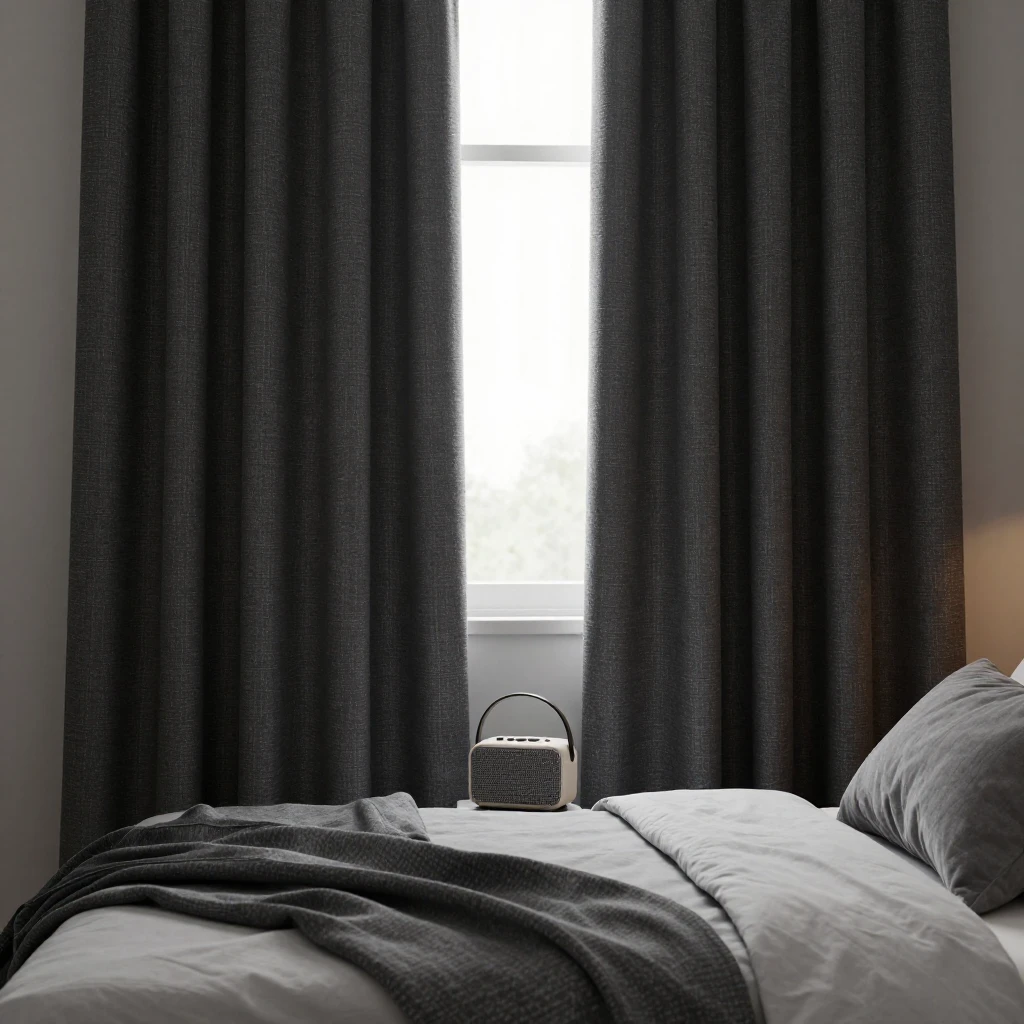
A sleep-friendly bedroom is comfortable, dark, quiet, and set to a temperature that feels suitable to you. Improving these conditions can reduce common distractions, although personal comfort matters more than following a rigid rule.
Begin with the simplest changes. Use curtains, a sleep mask, or cover bright indicator lights if outside or indoor light reaches your bed. If noise interrupts you, consider earplugs, a fan, or low-level white noise. A steady sound can soften sudden noises, but it may bother people who prefer silence, so test it at a comfortable volume.
Temperature preferences differ, and there is no single ideal setting for every sleeper. If you wake up hot or cold, adjust bedding, sleepwear, or the thermostat and notice whether that improves comfort. Keep the mattress and pillows supportive enough for your body, and reduce clutter that makes the room feel busy.
Use your bedroom mainly for sleep and intimacy when practical. If you work or watch stimulating content in bed, your mind may associate the space with being alert. That association is not inevitable, but moving those activities elsewhere can make the room feel more restful.
Build a Calming Bedtime Routine
A calming bedtime routine is a short sequence of low-stimulation activities that helps you shift from the day toward sleep. Keep it simple enough to repeat, and leave room for relaxing audio if you enjoy it.
Try starting your wind-down 30 to 60 minutes before bed. Dim the lights, finish practical tasks, and choose one or two quiet activities. For example:
- Take a warm shower or wash up.
- Read a paper book or listen to a calm spoken-word recording.
- Try slow breathing, gentle stretching, or a brief mindfulness exercise.
- Play white noise or ambient audio at a low, comfortable volume.
Relaxing audio can make the room feel more settled and provide a steady focus while you unwind. White noise, rain sounds, soft instrumental music, or nature ambience are options; preferences vary, and audio is not a cure for insomnia or other sleep problems. Set a timer if you do not want it playing all night, keep the volume modest, and choose a speaker or comfortable headphones that will not disturb you or create discomfort.
The routine does not need to be perfect. On a busy evening, even five minutes of dimmer light and quiet breathing can serve as a transition. The aim is consistency, not adding another demanding task to your day.
Review Evening Habits That Can Disrupt Rest
Screens, bright light, caffeine, and alcohol can affect sleep timing or quality for some people. Their effects differ, so use observation and small experiments rather than assuming every habit affects everyone in the same way.
Bright light in the evening can keep the environment stimulating. If you use a phone, tablet, or computer close to bedtime, lower brightness, enable a warmer display setting, or stop earlier if that helps you feel sleepy. The content matters too: an engaging show or work email can keep your mind active even when the screen is dim.
Caffeine can remain active for hours, and sensitivity varies. If falling asleep is difficult, try having your last coffee, tea, or energy drink earlier in the day and compare how you feel over a week. Alcohol may make some people feel drowsy at first, but it can fragment sleep later in the night. Avoid treating it as a sleep aid.
Late heavy meals and large amounts of fluid can also cause discomfort or bathroom trips for some people. You do not need to follow a strict cutoff if these are not problems for you. Instead, notice what happens after particular choices and adjust the ones that repeatedly interfere with rest.
Make Changes You Can Sustain
To improve sleep hygiene sustainably, choose one or two habits, practice them for several days, and track what changes. A simple sleep diary can help you spot patterns without turning sleep into a performance test.
For one or two weeks, record your bedtime, estimated time to fall asleep, wake time, naps, caffeine timing, and anything that seemed to affect the night. You can also note how rested you felt in the morning. The diary does not need precise measurements; consistent notes are more useful than perfect data.
Use a small-change approach: pick the habit with the clearest connection to your own experience, test it, then decide whether to keep, adjust, or drop it. For example, if late coffee often coincides with difficulty settling, move it earlier before changing your entire routine. If ambient audio feels distracting, switch to silence rather than forcing yourself to use it.
Common mistake: changing bedtime, caffeine, screens, exercise, and bedroom setup all at once. It becomes hard to tell what helped, and the routine may feel burdensome. Make one change at a time when possible, and allow several nights to judge a pattern.
If sleep problems persist, seriously affect daytime functioning, or come with symptoms such as loud snoring and gasping, consider speaking with a healthcare professional. Sleep hygiene can be helpful, but persistent symptoms may need an individualized assessment.
Frequently Asked Questions
What is a simple bedtime routine to try?
Dim the lights, put away work, and spend 10 to 20 minutes reading, stretching gently, or listening to calm audio. Repeat the same basic sequence most nights, adjusting the timing to suit your schedule.
Can relaxing audio help with winding down?
It may help some people create a calmer bedtime setting or focus on a steady sound. Try low-volume white noise, nature sounds, or gentle music, and stop using it if it feels distracting or uncomfortable.
Should I go to bed and wake up at the same time every day?
A fairly consistent schedule can support a regular routine. Keep bed and wake times close when you can, including weekends, while allowing for the sleep duration you need and the realities of work or family life.
What should I do if I can’t fall asleep?
Try to stay relaxed rather than watching the clock. If you feel increasingly frustrated, get up and do a quiet activity in dim light until you feel sleepy, then return to bed. If difficulty continues or affects your daily life, seek advice from a healthcare professional.